After Tracking 50 Grocery Trips, This Smart Cart Hack Gave Me Back 3 Hours a Week
We’ve all been there—standing in the grocery aisle, phone in one hand, crumpled list in the other, forgetting half of what we actually need. I used to dread shopping. It wasn’t just the crowds or the prices—it was the mental load. But everything changed when I started using a simple, smart shopping cart method that quietly reshaped my routine. It didn’t just make shopping faster; it gave me more time, less stress, and even helped me sleep better. Here’s how a small tech habit transformed my week.
The Grocery Grind: How a Simple Trip Was Draining My Energy
Let’s be honest—grocery shopping isn’t just a chore. For many of us, it’s a full-blown emotional event. I remember one Tuesday night, standing in the cereal aisle with my youngest clinging to my leg, my phone buzzing with a reminder I hadn’t even set: milk. I had skipped dinner to make it to the store before closing, my list scribbled on the back of an envelope. By the time I got home, bags half-unpacked, I felt completely drained. Not just tired—mentally hollow. That night, I tossed and turned, replaying the moment I forgot the gluten-free bread my daughter needs for school. Again.
This wasn’t a one-time thing. For months, my grocery trips were like this—rushed, reactive, and exhausting. I’d go late because the kids’ schedules didn’t allow earlier, or I’d try to squeeze it in between work calls and school drop-offs. Each trip left me feeling like I’d used up all my decision-making energy before dinner even started. And the fallout didn’t stop at the front door. That mental clutter followed me into bedtime. My mind wouldn’t shut off. I’d lie there thinking: Did I remember the coffee? Is there enough fruit for lunches? Should I go back tomorrow?
What I didn’t realize then was how deeply these small daily disruptions affect our overall well-being. Research shows that unpredictable routines can throw off our circadian rhythms, making it harder to fall asleep and stay asleep. When we’re constantly reacting instead of planning, our brains stay in low-grade stress mode. Cortisol levels rise. Relaxation becomes a luxury we can’t afford. I wasn’t just tired from walking the aisles—I was worn down by the constant mental juggling. The grocery store had become a symbol of everything I felt I was failing at: staying organized, keeping up, being the calm center of my home.
And I know I’m not alone. So many women I talk to—mothers, partners, caregivers—describe the same cycle. We wear our busyness like a badge, but underneath, there’s a quiet ache for peace. For order. For a moment to breathe. That moment never seemed to come—until I changed how I approached something as ordinary as a shopping list.
Discovering the Smart Cart: Not a Gadget, But a System
The turning point came after my 50th grocery trip of the year—yes, I counted. I was reviewing my receipts (partly out of curiosity, partly out of guilt over how much we were spending) when I noticed a pattern. The trips where I spent the most time in the store—and the most money—were the ones where I walked in without a real plan. No list, or a half-hearted one, scribbled on a sticky note that fell into my purse and got lost. The efficient trips? Those were the rare ones where I’d taken ten minutes the night before to think through what we needed.
That’s when it hit me: the problem wasn’t the store. It wasn’t the kids. It wasn’t even the price of avocados. The problem was my approach. I was treating grocery shopping like a crisis to survive, not a routine to optimize. And I realized something surprising—technology wasn’t the enemy. It was the solution, but not in the way I expected. I didn’t need a fancy smart cart with built-in scales or AI-powered suggestions. What I needed was a smart *system*—one that used tools I already had in my pocket.
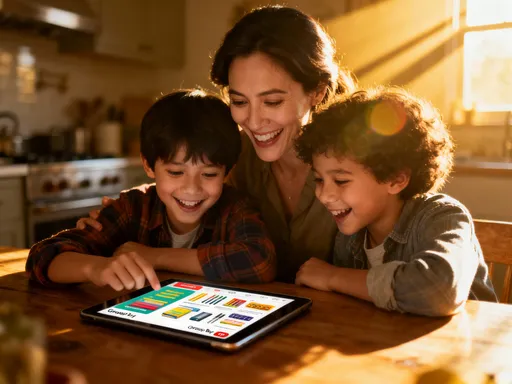
I started experimenting. I downloaded a simple list-making app, the kind most of us have but rarely use to their full potential. I stopped thinking of it as just a digital notepad and started seeing it as a command center for my household. I created a master list, broken into categories that matched my store’s layout: produce, dairy, pantry, frozen, cleaning supplies. Then I began syncing it with my calendar. Sunday evenings became my planning window. While the house was quiet, I’d review the week ahead—what meals we’d need, what supplies were running low, what my husband might need for his work lunches.
The magic wasn’t in the app itself. It was in the ritual. By taking just 12 minutes a week to build my list intentionally, I was offloading mental work from my busiest days. I wasn’t making decisions at the store anymore—I was executing a plan. And that shift, small as it sounds, changed everything. No more circling the aisles trying to remember if we had pasta. No more last-minute protein bar purchases because I forgot to check the pantry. I wasn’t just saving time. I was saving mental energy—the kind that lets you read a book at night instead of scrolling mindlessly, or actually listen when your teenager wants to talk.
How My List Became a Lifesaver: Planning with Purpose
Before this system, my lists were chaotic. A line here, a sticky note there. Sometimes I’d text myself things while driving—illegal and stressful. I’d walk into the store with half the list in my head, the other half on my phone, and zero confidence I’d get everything. The result? Always coming home with something missing. Always feeling like I’d failed.
The new approach was different. I began treating my digital list like a living document. Every time we ran out of something—coffee, dish soap, kid’s favorite granola bars—I added it to the master list. That way, nothing slipped through the cracks. But the real game-changer was organizing it by store layout. I walked through my usual supermarket in my mind and grouped items the way I’d encounter them: fresh produce first, then refrigerated items, then dry goods. This meant I wasn’t backtracking or crisscrossing the store. My path became predictable, efficient, almost meditative.
I also started timing my trips based on store traffic. Instead of defaulting to evenings after work, I looked up when the store was least crowded. For me, that was 9:30 a.m. on Wednesdays. I know—sounds impossible with kids. But I swapped one late-night errand for an early morning solo mission. I’d leave the kids with my husband, grab a coffee, and go. No rush. No pressure. Just me, my list, and a quiet store. Those 45 minutes became a kind of self-care. I could focus. I could breathe. I could actually enjoy the rhythm of choosing food for my family.
The impact on decision fatigue was immediate. Decision fatigue is real—it’s the mental exhaustion that comes from making too many small choices in a row. By the time we get home from a long day, we’re running on empty. But when I offloaded those grocery decisions to my planning session, I preserved my mental strength for things that mattered more: helping with homework, managing emotions, being present. One small win? I remembered the olive oil—three weeks in a row. My husband noticed. ‘Wait,’ he said, ‘you didn’t send me a frantic text this week.’ That tiny victory felt huge.
Syncing Shopping with Sleep: The Routine Connection
Here’s something no one talks about: how much our daily rhythms affect our sleep. I used to think sleep hygiene was just about screens and bedtime routines. But it’s also about what happens *before* bedtime. When my evenings were filled with errands, last-minute meal prep panic, or rushing to the store because we’d run out of milk, my nervous system stayed activated. It’s hard to wind down when your brain is still in ‘go’ mode.
Once I shifted my shopping to mid-morning on Wednesdays, everything changed. I finished my trip by 10:30 a.m., groceries unpacked by 11. That meant dinner was no longer a crisis. I knew what we had. I’d already planned two or three meals for the week. The mental space that opened up was incredible. Instead of scrambling at 6 p.m., I could start cooking calmly, listen to music, even sit with my daughter while she did her spelling words.
And because I wasn’t doing evening errands, my evenings became sacred. No more 9 p.m. supermarket runs with a tired kid whining in the cart. No more coming home after 8, stressed and hungry, trying to assemble a meal from scraps. That consistency—knowing shopping was handled—let my body relax. I started going to bed earlier. Falling asleep faster. Waking up feeling more refreshed. It wasn’t a miracle sleep hack. It was just the power of predictability.
Our bodies love routine. When we do things at roughly the same time each week, our internal clocks stabilize. That includes not just sleep, but digestion, energy levels, even mood. By anchoring one key task—grocery shopping—to a consistent time and method, I created a ripple effect. Other routines began to fall into place. Dinner time became steadier. Bedtime stories happened without rushing. Even my husband noticed: ‘You seem calmer in the evenings now.’ That’s when it hit me—this wasn’t just about groceries. It was about reclaiming peace.
Tech That Fits, Not Controls: Keeping It Human
I’ll be honest—I was worried at first that this system would make me robotic. That I’d become one of those people who lives entirely by notifications and spreadsheets. But the opposite happened. Technology, when used with intention, didn’t take over my life. It gave me more of it back.
The key was setting boundaries. I turned off non-essential notifications on my list app. No pings at 8 p.m. reminding me to buy paper towels. I didn’t let the list dictate family time. If a friend invited us for dinner, I didn’t stress about adjusting the meal plan. We’d eat what we had or pick something up. The system served me—not the other way around.
And I made sure to keep the human moments sacred. I still walk through the produce section slowly, touching the tomatoes, smelling the herbs. I choose the bunch of basil that looks the freshest, not the one my app suggests. I let my daughter pick a new fruit to try each week. These aren’t inefficiencies—they’re joys. The list handles the logistics so I can savor the experience.
That’s the truth about technology in our lives: it doesn’t have to be cold or controlling. When we use it to reduce friction, not replace feeling, it becomes a quiet ally. It’s like having a thoughtful friend who remembers the laundry detergent so you can focus on laughing with your kids. I didn’t lose my spontaneity. I gained clarity. And in that space, real connection grew.
Small Wins, Big Shifts: From Cart to Calm
The changes didn’t stop at the store. Once I got into the rhythm of this system, I started noticing other improvements. I was buying less junk. Because I wasn’t making impulse decisions in the checkout line, I wasn’t bringing home snacks no one would eat. Food waste dropped. Our grocery bill went down by about 15 percent—not because I was couponing or extreme budgeting, but because I was buying only what we needed.
That financial win was nice, but the emotional one was bigger. I felt more in control. More capable. That sense of self-trust started spilling into other areas. I began planning weekend outings ahead of time. I started a small garden because I realized I actually enjoyed choosing fresh ingredients. I even signed up for a pottery class—something I’d been putting off for years—because I finally had the mental bandwidth to think beyond survival mode.
One day, a friend called, laughing. ‘Wait,’ she said, ‘you *enjoy* grocery shopping now?’ I thought about it. I didn’t love every minute—no one does. But I didn’t dread it anymore. I looked forward to my quiet Wednesday morning. It had become a ritual of care, not a burden. And that shift in perspective? It was powerful. When we master small things—like remembering the butter—we start to believe we can handle bigger ones. Confidence isn’t built in grand gestures. It’s built in quiet moments of consistency.
My kids noticed, too. They saw me less stressed. More present. I wasn’t multitasking through dinner. I wasn’t snapping when they asked for help with homework. The energy in our home softened. That’s the hidden benefit of systems like this—they don’t just save time. They save relationships. They protect the emotional space we need to show up as the people we want to be.
Start Small, Sleep Better: Your Turn to Try
If you’re feeling overwhelmed by the idea of overhauling your routine, I get it. Please don’t think you need to build a perfect system overnight. That’s how burnout starts. Instead, start with one tiny step. Pick one app—any app you already use, like Notes, Reminders, or Google Keep. Create a master list of the ten things you buy every week: milk, bread, eggs, coffee, bananas, etc. That’s it.
Next, choose one shopping trip to try your new method. Plan your list the night before. Walk through the store with intention. Notice how it feels. Did you save time? Did you remember more items? Did you feel calmer? There’s no right or wrong way to do this. It’s about experimentation, not perfection.
And if you can, try shifting one trip to a quieter time. Maybe it’s Saturday morning instead of Friday rush. Maybe it’s a quick midday run while the kids are in school. See how it affects your evening. Do you feel more relaxed? Do you sleep better?
Remember, better sleep isn’t just about what happens when your head hits the pillow. It’s about how you move through your day. When your routines are smoother, your mind is quieter. When your mind is quieter, your body can rest. You don’t need a high-tech cart. You don’t need a new gadget. You just need one smart habit to start feeling lighter. And from there, everything else begins to shift.