More than light: How smart lighting gave me back my peace at night
You know that moment—when the kids are finally asleep, the house is quiet, and your own anxiety starts creeping in? I used to dread the dark corners, the creaks, the feeling of being on constant alert. Then I tried smart safety lighting. It didn’t just brighten the hallways—it changed how I move through my home at night. No more fumbling for switches or lying awake worrying. This isn’t about high-tech dazzle. It’s about reclaiming calm, independence, and a little more ease in the everyday. And honestly? It started with something as simple as not wanting to stub my toe on the hallway table at 2 a.m.
The Quiet Weight of Nighttime Worry
Let’s talk about something we don’t say out loud enough: how much emotional labor happens after dark. It’s not just about parenting or aging or living alone—it’s about how our homes, spaces we’re supposed to feel safest in, can sometimes feel like they’re holding their breath with us. I didn’t realize how tense I was at night until I started paying attention. Every little sound—the fridge kicking on, a branch tapping the window—felt like a signal. Was someone at the door? Did I lock the back gate? Is the baby really okay, or should I check one more time?
For years, I thought this was just part of being a responsible adult. That’s what we’re taught, right? Stay alert. Be ready. Protect the home. But the truth is, that constant low hum of vigilance takes a toll. It’s not dramatic—it doesn’t show up in blood tests or doctor’s notes—but it’s there. In the way you pause before going downstairs. In the flashlight you keep in your nightstand drawer. In the way you avoid the basement after sunset, even if you need something. I started noticing how much mental space it occupied. I’d lie in bed replaying the evening: Did I turn off the stove? Did I close the garage? Was that noise outside or inside?
And then there was the physical part. The near-misses. The time I nearly twisted my ankle on the last stair because the overhead light took too long to turn on. The mug of tea I spilled because I misjudged the counter in the dim kitchen glow. These weren’t big emergencies, but they added up—little reminders that my home wasn’t quite working for me. It wasn’t until a friend mentioned her smart lighting system that I even considered that there might be a better way. Not a fix, not a cure, but a small shift that could make a real difference. I didn’t want flashy tech. I didn’t care about voice commands or color-changing bulbs. I just wanted to feel safe. And honestly, I wanted to stop being afraid of my own house.
Lighting That Does More Than Illuminate
When I first heard “smart lighting,” I pictured something complicated—apps full of settings, blinking hubs, lights that changed colors for no reason. I wasn’t interested in a light show. But what I discovered was something much simpler, and much more meaningful: lighting that anticipates. That’s the real magic. It’s not about brightness. It’s about timing, presence, and reassurance. Modern safety lighting systems aren’t just bulbs—they’re quiet helpers. They turn on when you need them, stay off when you don’t, and glow softly when you’re moving through the house at night.
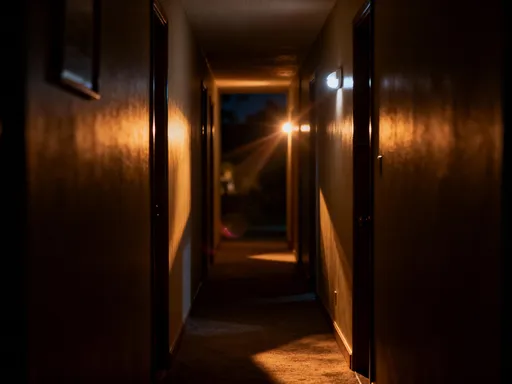
Motion-activated zones changed everything for me. I started with the hallway and the stairs—two places I always dreaded. Now, when I get up to use the bathroom or check on the kids, the path lights up gently, just enough to see. No fumbling. No blinding overhead glare that ruins my night vision. The lights stay on as I move and fade out quietly behind me. It’s subtle, but it’s powerful. That simple act—knowing the floor is clear, the steps are visible—takes so much tension out of the moment.
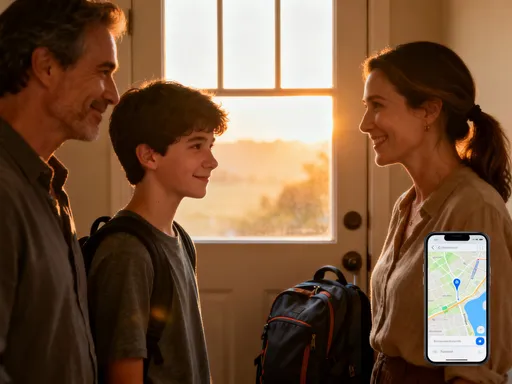
But it’s not just about me. My teenage daughter comes home late from band practice, and now she doesn’t have to juggle keys and bags in the dark. The porch light turns on automatically when she approaches, and the entryway follows. She told me, “It feels like the house is happy to see me.” That hit me right in the heart. And my mom, who lives alone and has started using a cane, now has soft lighting in her bedroom and bathroom that comes on when she moves at night. She doesn’t have to reach for a switch or worry about tripping. She said, “I feel like I can still take care of myself.” That’s not just convenience. That’s dignity.
And here’s the thing—none of this required changing our routines. We didn’t have to learn new habits or remember to do anything differently. The system works in the background. It’s there when we need it, invisible when we don’t. That’s what makes it feel so natural. It’s not technology for technology’s sake. It’s design that understands real life.
Independence Isn’t Loud—It’s Built in the Background
One of the biggest gifts this system gave me wasn’t safety—it was independence. I didn’t realize how much I’d started relying on small accommodations to get through the night. I kept a flashlight by my bed. I asked my husband to turn on the basement light before I went down. I avoided certain parts of the house after dark. None of it felt like a big deal at the time, but looking back, it was a slow surrender of my own autonomy. I was letting fear and inconvenience shape how I moved through my own home.
Now, I go where I need to, when I need to, without asking for help. That might sound small, but it’s not. For parents, for caregivers, for anyone who’s ever felt trapped by their own home, that sense of freedom matters. I can check on the kids without waking my husband. I can grab a glass of water without turning on the kitchen overhead. I can walk the dog at night without worrying about the path being too dark. These are tiny moments, but they add up to a bigger feeling: I am in control here.
And it’s not just me. My sister, who lives alone with two young kids, installed a similar system and said, “I don’t feel like I’m holding my breath anymore.” She used to dread nighttime feedings because the hall was so dark. Now, a soft glow guides her path, and she can go back to bed without disrupting her own sleep too much. That’s the kind of independence that doesn’t make headlines—but it changes lives.
For aging parents, this kind of system can mean the difference between staying in their own home or needing extra support. My aunt, who lives with mild arthritis, said the motion lights in her bathroom and kitchen mean she doesn’t have to stretch or strain to reach a switch. “It’s like having a little help without having to ask,” she told me. That’s the quiet power of thoughtful technology—not replacing human care, but making self-care possible.
Seamless Setup: Technology That Fits Your Life, Not the Other Way Around
I’ll be honest—I was nervous about setting it up. I’m not a tech person. I still have to ask my kids how to pair Bluetooth headphones. So when I saw ads for “easy installation,” I was skeptical. But I decided to try a basic plug-in motion sensor for the hallway. It took less than ten minutes. I plugged it in, downloaded the app, followed the steps, and within half an hour, it was working. No tools. No wiring. No calling a technician.
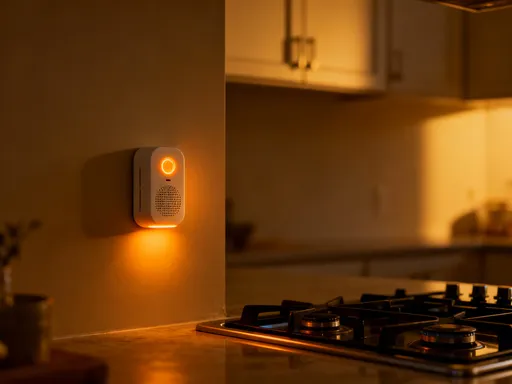
From there, I added a few more—under-cabinet lights in the kitchen, a porch sensor, a dimmable night light in the kids’ bathroom. Each one was just as simple. Some are battery-powered, some plug in, and most connect to your home Wi-Fi. The app lets you adjust sensitivity, set schedules, and control brightness. You can even set different modes—like “night,” where lights stay dim, or “away,” where they turn on randomly to make it look like someone’s home.
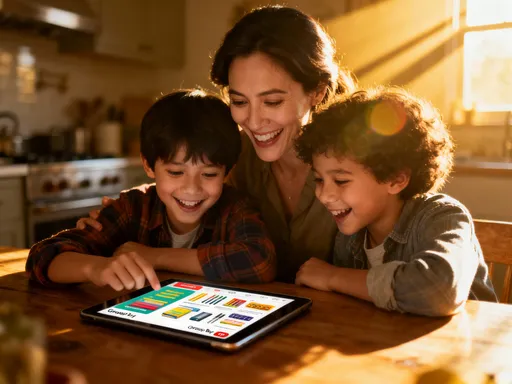
The real moment of clarity came one evening when my 12-year-old walked over to my phone and said, “Mom, let me fix that.” She adjusted the porch light settings while I stirred dinner, without any help. That’s when it hit me—this isn’t complicated. It’s accessible. My kids understand it. My mom can use the app with big buttons and clear menus. Even my husband, who claims to hate all “smart home junk,” admitted he likes not having to get up to turn off the garage light.
The key is starting small. You don’t need to automate your whole house on day one. Pick one pain point—the dark hallway, the scary basement, the porch that feels unsafe at night—and start there. See how it feels. Adjust as you go. That’s what makes it sustainable. It’s not about perfection. It’s about progress.
Peace That Spreads Beyond the Hallway
What surprised me most wasn’t the safety or the convenience—it was how much better I started sleeping. I used to lie awake for hours, my mind racing through the day’s worries or tomorrow’s to-do list. But with the nighttime lighting in place, something shifted. The house felt calmer. The edges were softer. I wasn’t bracing for the next creak or shadow. I realized how much energy I’d been spending just staying alert.
And that calm didn’t stay in the hallway. It followed me into the day. I felt more rested. More present. Less frazzled. My kids noticed, too. They started calling the soft path lights “the sleepy stars,” and now they actually look forward to bedtime. “I can see my way to the bathroom,” my youngest said. “I’m not scared.” That’s a gift I didn’t expect.
My husband said the house “feels warmer” now. Not physically—though we did adjust the color temperature to a cozier, amber-like glow—but emotionally. There’s less tension in the air. Fewer “Did you check the door?” questions. Fewer “Be careful on the stairs” warnings. We’re all just… easier. And that’s the ripple effect I didn’t see coming. A small change in lighting didn’t just make the house safer—it made it feel more like a home.
It’s not just about avoiding accidents or deterring intruders. It’s about creating an environment where everyone can relax. Where you don’t have to be “on” all the time. Where your home supports you instead of stressing you out. That’s the kind of peace that doesn’t announce itself. It just settles in.
Real Talk: What I Got Wrong at First
I’ll admit—I didn’t get it right the first time. I was so excited that I overdid it. I installed motion sensors in every room, set the brightness too high, and turned on lights too quickly. The result? A house that felt jumpy. Lights flashing on at the slightest movement, even when I was just rolling over in bed. One night, the basement light turned on because the cat walked past the sensor. Not ideal.
I also made the mistake of using cool, bright white light in the hallways. It worked during the day, but at night, it was harsh—like a hospital corridor. It woke me up completely instead of helping me transition back to sleep. That’s when I learned about color temperature. Warmer, amber-toned lighting is much better for nighttime. It’s gentler on the eyes and doesn’t interfere with melatonin, the hormone that helps us sleep. Once I switched to a softer glow, everything felt more peaceful.
I also realized that not every space needs a sensor. The living room, for example, doesn’t need to light up every time someone walks by at 3 a.m. Now, I focus on high-traffic, high-risk areas: stairs, hallways, entryways, bathrooms. And I set delays—lights stay on for 30 seconds after motion stops, giving me time to move through without rushing.
The biggest lesson? Simplicity wins. You don’t need ten zones or custom scenes. You need a few well-placed lights that work quietly and reliably. Consistency is more important than complexity. And it’s okay to adjust as you go. This isn’t a one-and-done project. It’s a living system that grows with your needs.
Why This Isn’t Just a Gadget—It’s a Shift in Living
Looking back, I realize smart lighting didn’t just change my home—it changed how I experience it. It’s not about having the latest tech or showing off a fancy setup. It’s about how a small, thoughtful change can restore a sense of control. How something as simple as light can reduce mental load, ease anxiety, and support emotional well-being.
This isn’t about chasing the future. It’s about making today better. For me, it meant no more flashlight hunts. For my daughter, it meant feeling welcomed when she came home late. For my mom, it meant moving safely through her own home at night. These aren’t small things. They’re the quiet victories that make up a life well-lived.
Technology doesn’t have to be loud or flashy to be powerful. Sometimes, the most meaningful innovations are the ones that work silently in the background, supporting us without demanding attention. They don’t replace human connection—they make space for it by reducing the noise, the fear, the friction.
So if you’ve ever hesitated because you thought smart lighting was too complicated, too expensive, or just not for you—I get it. I was there. But I also know what it’s like to walk through your home at night without fear. To feel safe. To feel independent. To feel at peace. And that’s worth more than any gadget. That’s the kind of change that stays with you—not because it’s high-tech, but because it’s human.