From Strained to Seamless: How a Simple Hearing Check Transformed My Workday
Ever feel like you're constantly asking colleagues to repeat themselves in meetings? Or miss key details on calls, only to realize too late? I did—until I discovered how a quick, everyday hearing tool quietly upgraded my focus, confidence, and productivity. No exaggeration: it didn’t just help my ears—it changed how I work. This is the surprisingly simple tech swap that made my professional life smoother, calmer, and more in control. And the best part? It didn’t require a doctor’s appointment, expensive equipment, or hours out of my day. Just ten minutes, a pair of earbuds, and an app. What I found wasn’t dramatic—but it was life-changing in the quietest, most meaningful way.
The Overlooked Problem: Mishearing at Work Is More Common Than You Think
Let’s be honest—when was the last time you thought about your hearing at work? Not your eyes, which you probably check every few years, or your back, which might ache after long hours at the desk. But your ears? Unless something’s obviously wrong, we tend to ignore them. Yet, I’ve come to realize that even small, unnoticed shifts in hearing can quietly sabotage our days. I used to think I was just tired or distracted when I missed parts of a conversation during virtual meetings. I’d nod along, then scramble later to piece together what was said. One morning, I realized I’d completely misunderstood a client’s deadline because I misheard a single word—"Friday" instead of "Thursday." It wasn’t a huge mistake, but it cost me trust, and more importantly, it cost me confidence.
What I didn’t know then was that I wasn’t alone. Many professionals, especially women in their 30s to 50s, are navigating subtle changes in their hearing without even realizing it. It’s not about going deaf—it’s about high-frequency sounds, like certain consonants (think "s," "f," "th") becoming a little harder to catch. These are the sounds that give words clarity. When they fade, speech can sound muffled, like someone’s talking through a pillow. In a quiet room, you might manage fine. But in a noisy open office, or during a Zoom call with background noise, your brain has to work overtime to fill in the gaps. That’s what we call "listening fatigue." It’s real, and it’s exhausting. You’re not imagining it when you feel drained after a day of back-to-back calls. Your brain is literally working harder than it needs to.
I started paying attention. How often was I saying "Sorry, what?" in meetings? How many times did I replay voice messages just to catch a name or number? The more I noticed, the more I realized how much mental energy I was wasting. And the irony? The more I struggled to hear, the more I withdrew. I’d hesitate before speaking up, afraid I’d misinterpret the conversation. I’d avoid group chats, especially with new team members whose voices I wasn’t used to. It wasn’t just about missing information—it was about feeling disconnected. I wasn’t fully present. And in a world where collaboration and communication are everything, that’s a real cost.
Discovering a Tiny Tool with a Big Impact
The turning point came during a particularly rough week. I had three back-to-back strategy calls, and by the third one, I could feel the familiar fog setting in. My head was pounding, my focus was slipping, and I kept asking people to repeat themselves. After hanging up, I muttered to myself, "There’s got to be a better way." That night, I typed into my phone: "why do I feel so tired after phone calls?" One of the top results was an article about hearing fatigue and a simple at-home hearing check using an app. I was skeptical. I mean, how accurate could a phone app really be? But the description said it was developed with audiologists, used calibrated sound tests, and didn’t claim to replace medical diagnosis—just to give you a snapshot of your current hearing. And it only took ten minutes.
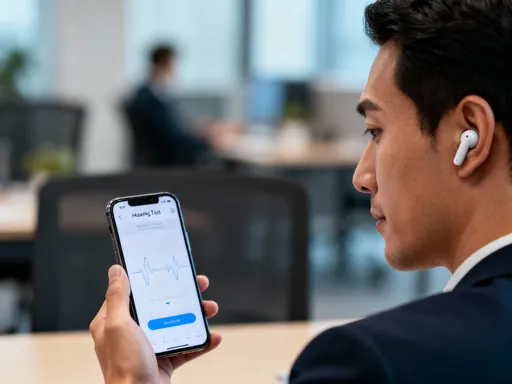
I downloaded it, put in my earbuds, and followed the prompts. The app played a series of soft tones through each ear, and I tapped the screen when I heard them. It was calm, quiet, and completely judgment-free. No white coats, no pressure, no waiting rooms. Just me, my phone, and a few minutes of stillness. When the results came up, I was stunned. My hearing wasn’t "bad," but I had a mild high-frequency hearing shift—especially in my right ear. That explained why I struggled to catch certain words, especially in noisy environments. The app didn’t scare me; it validated me. It wasn’t that I was distracted or getting older in a negative way—it was that my ears were sending slightly incomplete information to my brain. And now, I had a clue.
What surprised me most was how normal this felt. I wasn’t broken. I wasn’t failing. I was human. And technology had given me a gentle, non-invasive way to understand myself better. The app even gave me simple tips—like using noise-cancelling headphones during calls or positioning myself strategically in meetings to hear better. It wasn’t about fixing me; it was about supporting me. I remember sitting there, looking at the results, and feeling a wave of relief. It wasn’t a crisis. It was a clue. And sometimes, that’s all we need to start feeling more in control.
How Better Hearing Directly Boosts Work Efficiency
Once I understood my hearing pattern, everything started to shift. I began using noise-cancelling earbuds during virtual meetings—something I’d never thought much about before. The difference was immediate. Background noise—keyboard clicks, distant conversations, the hum of the AC—faded into the background. Voices became clearer, crisper. I wasn’t straining anymore. And that, I realized, was the key. When your brain isn’t working overtime to decode speech, it has more energy for the things that matter—like thinking, responding, and creating.
I noticed I could follow complex discussions without losing track. I caught nuances in tone—a client’s hesitation, a colleague’s enthusiasm—that I might have missed before. I stopped needing to replay recordings or send follow-up emails just to confirm details. That alone saved me hours each week. But the real win was mental. I felt sharper, more present. I wasn’t just surviving meetings—I was contributing. I started speaking up more, asking better questions, offering ideas. My team noticed. One coworker even said, "You’ve been so on it lately—what’s your secret?" I smiled and said, "I finally started listening to my ears."
It sounds simple, but it’s true. Clear hearing reduces cognitive load. Think of your brain like a computer. If it’s running too many background programs, the whole system slows down. When you’re constantly trying to decode unclear speech, it’s like running a heavy app in the background. It doesn’t crash your system, but it drains your battery. By improving the quality of the input—what I hear—the system runs smoother. I had more focus, better memory, and faster decision-making. And that translated into real results: fewer mistakes, better collaboration, and a stronger sense of competence. It wasn’t about working harder. It was about working smarter—because my body wasn’t fighting against itself.
A Small Fix That Improved My Confidence
Here’s what I didn’t expect: the emotional shift. I thought this was about efficiency, about getting through my day with less stress. But what I gained was something deeper—confidence. I used to dread team calls, especially with people I didn’t know well. I’d sit there, half-listening, half-worrying: Did I hear that right? Should I ask again? Will they think I’m not paying attention? That constant inner dialogue was exhausting. And it made me pull back. I didn’t want to stand out as the person who always needed things repeated.
But once I had the tools to support my hearing, that fear started to fade. I wasn’t guessing anymore. I wasn’t second-guessing. I could listen with confidence, knowing I had strategies in place—good headphones, a quiet space, and the awareness to speak up if something wasn’t clear. And that changed how I showed up. I felt more grounded, more capable. I wasn’t just participating—I was leading. I started volunteering for client calls, joining brainstorming sessions, even mentoring new team members. My voice mattered, and I could hear theirs too.
Confidence isn’t just about what you know—it’s about how you feel in the moment. And when you’re not battling your own body to understand what’s being said, you’re free to be your full self. I remember one meeting where a new manager was presenting a project plan. Halfway through, I noticed she’d said "Q3" but the slide said "Q4." I raised my hand gently and said, "Just to clarify—did you mean next quarter or the one after?" She checked her notes, realized the mistake, and thanked me. Later, she told me how much she appreciated that I spoke up. That small moment meant everything. It wasn’t about being right—it was about being present, engaged, and trusted. And that, I realized, was the real gift of better hearing.
Making It a Habit: Easy Ways to Stay on Top of Your Hearing Health
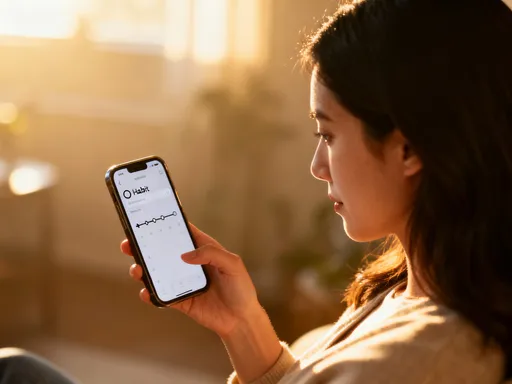
Here’s the truth: hearing isn’t static. It changes over time, influenced by age, noise exposure, stress, even earwax buildup. That’s why I don’t think of this as a one-time fix. I’ve made hearing checks a regular part of my routine—like changing my passwords or cleaning out my inbox. Every month, I spend ten minutes with the app. It’s not a chore. It’s a check-in. I do it on a quiet Sunday morning, with a cup of tea, while the house is still. It’s become a kind of self-care ritual—one that’s practical, not indulgent, but just as important.
I’ve also learned to pay attention to my environment. I keep my earbuds clean—dirt and wax can affect sound quality. I avoid cranking up the volume in noisy places, which only adds strain. And I take breaks from headphones, giving my ears time to reset. If I’m in a loud space, I’ll step outside for a few minutes of silence. These aren’t big gestures, but they add up. I treat my ears the way I treat my eyes—respecting their limits, supporting their needs.
And if you’re thinking about trying this, start small. You don’t need the fanciest app or the most expensive headphones. Look for tools that are designed for everyday use—simple, intuitive, non-medical. The goal isn’t diagnosis. It’s awareness. It’s giving yourself the information you need to make small, powerful adjustments. Think of it like checking your tire pressure. You don’t wait for a blowout. You check regularly, so you can catch small issues before they become big problems. Your hearing deserves the same care.
Sharing the Win: A Conversation That Helped My Whole Team
One day, during a team wellness chat, I mentioned my hearing check casually. I said something like, "I’ve been doing these little monthly check-ins with an app, and it’s made a surprising difference in my focus." I didn’t make it a big deal. But later, two colleagues messaged me privately. One said she’d been struggling with the same thing—feeling drained after calls, missing details. The other admitted she’d been embarrassed to speak up in meetings. I shared the name of the app, no pressure. A week later, one of them told me she’d tried it—and discovered a similar high-frequency shift. She started using closed captions on videos and positioning herself at the front of the room during in-person meetings. Her energy improved. Her participation increased.
What started as a personal experiment became a small ripple of change. Our team began normalizing these conversations. We started sharing tips—about lighting, seating, audio quality. We became more mindful of how we communicate. If someone missed something, we didn’t rush past it. We paused, rephrased, made space. It wasn’t about lowering standards. It was about raising empathy. We realized that everyone has different needs, and when we support each other’s ability to hear and be heard, we all win. Productivity went up. Stress went down. And the culture? It felt kinder, more connected.
That’s when I understood: this isn’t just about individual tools. It’s about collective well-being. When we care for ourselves, we show up better for others. And when we share what works, we create space for everyone to thrive. It wasn’t a formal initiative or a company mandate. It was just a few people being honest, trying something small, and seeing what happened. And what happened was beautiful.
More Than a Tool—A Step Toward Smarter, Kinder Self-Care
Looking back, I realize this journey wasn’t just about hearing. It was about listening—to myself. For years, I pushed through fatigue, dismissed small struggles, and treated my body like a machine that should just keep going. But this experience taught me that self-care isn’t just bubble baths and yoga mats. It’s also about paying attention to the quiet signals—like tired ears, strained focus, or creeping anxiety. It’s about using technology not to escape life, but to live it more fully.
The app didn’t fix me. I wasn’t broken. But it gave me information—gentle, practical, empowering. And with that information, I made small changes that added up to a big difference. I work with more ease. I communicate with more confidence. I feel more like myself. And isn’t that what we all want? To show up as our best, not by pushing harder, but by supporting ourselves in smarter, kinder ways?
So if you’ve ever felt like you’re just barely keeping up, like you’re missing pieces of the conversation—literally or figuratively—consider this: maybe it’s not you. Maybe it’s just your hearing. And maybe, just maybe, a ten-minute check could open the door to a calmer, clearer, more confident workday. It did for me. And I hope it can for you, too.