I Used to Say 'I’ll Type It Later' — Now I Just Speak and It’s Done
Remember that pile of unfinished notes, half-written emails, and ideas lost because you couldn’t type fast enough? I’ve been there — juggling work, life, and endless to-do lists. Then I started using my voice instead of my keyboard. It wasn’t flashy tech — just simple voice-to-text. But it quietly transformed my workdays. No more staring at blank screens. No more losing thoughts in the chaos. Now, I capture ideas while walking, dictate reports during commutes, and finish tasks before dinner. This isn’t about futuristic gadgets — it’s about working *with* your life, not against it.
The Moment I Stopped Typing and Started Speaking
There was a Tuesday — not special, not dramatic — when everything changed. I was sitting at my kitchen table, coffee going cold, staring at an email I’d been trying to write for 20 minutes. My fingers hovered over the keyboard, but my brain felt foggy, slow. I had the thoughts, just not the energy to type them out. My son was running late for school, my inbox was blowing up, and I could feel that familiar tightness in my chest — the one that says, "You’re already behind."
Then, almost without thinking, I clicked the microphone on my phone and said, "Hey Siri, write an email to Lisa: Thanks for sending the project update. I’ve reviewed the timeline and agree with the adjustments. Let’s plan a quick call Thursday to go over the budget. I’ll send a calendar invite." And just like that — it was done. No typing. No editing. No overthinking. The email was written, clear, and ready to send. I didn’t even have to look at the screen.
That small moment cracked something open. I realized I’d been forcing myself to work in a way that didn’t match how my brain actually functions. Speaking is natural. It’s how we’ve communicated for thousands of years. Typing? That’s the new thing — and honestly, kind of awkward when you think about it. We’re not built to stare at a grid of letters and tap them one by one. But speaking? That’s fluid. That’s how ideas come out when we’re talking to a friend, telling a story, or explaining something to our kids.
When I started using my voice, I noticed something surprising: my thoughts flowed faster. I wasn’t pausing to remember where the semicolon key is or backspacing over typos. I was just *thinking* and *speaking*. The technology caught it all. And because it felt more like a conversation, my writing even sounded more natural — warmer, clearer, more like me. It wasn’t just a productivity tool. It was like I’d found a way to work at the speed of my own mind.
How My Mornings Transformed Without Extra Effort
My mornings used to be a race against the clock. Wake up, check the phone, scramble to get everyone fed and dressed, and then try to catch up on work before the day officially started. By 9 a.m., I was already exhausted. I’d sit down at my desk with a to-do list that felt like a mountain, and I hadn’t even had a proper cup of coffee.
Now, my mornings feel different — calmer, more in control. The change didn’t come from waking up earlier or drinking more caffeine. It came from using the quiet moments I already had. While I’m making coffee, I say, "Hey Google, add oat milk to my shopping list." While I’m brushing my teeth, I dictate a quick message to my team: "Just reviewed the client feedback — let’s adjust the presentation to highlight the sustainability points first." It takes seconds. No screen, no typing, no stress.
One of the biggest wins? Planning my day before I even leave the house. Instead of waiting to sit down at my desk, I use voice-to-text to draft my agenda. "Today: 10 a.m. team check-in, finalize Q3 report by 2 p.m., call insurance provider about renewal, pick up dry cleaning after school pickup." I speak it into my phone, and it goes straight into my notes. That simple act changes everything. I’m not starting the day reacting — I’m starting it leading.
And here’s the thing I didn’t expect: it feels good. There’s a quiet pride in getting things done before the house wakes up. It’s not about doing more — it’s about doing what matters, early. That sense of momentum carries through the whole day. I’m not playing catch-up. I’m already ahead.
Commuting Became My Secret Work Window
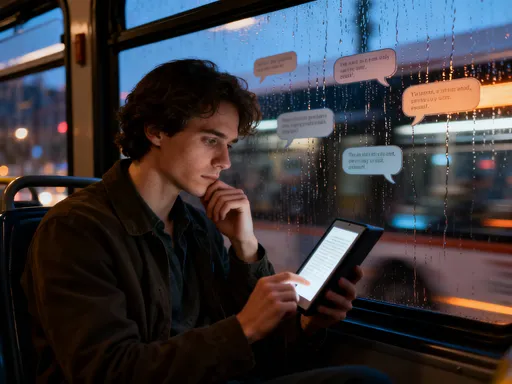
For years, my commute felt like wasted time. Sitting in traffic or packed on the train, I’d scroll through news or stare out the window, mentally drained before I even got to work. I’d tell myself, "I’ll focus when I get to my desk." But by then, the morning rush had taken its toll.
Then I tried something simple: I started using my commute to think — out loud. I pulled up a voice note and said, "Okay, what’s the main point of this presentation? We need to show how the new strategy reduces costs while improving customer satisfaction. Start with the data from last quarter, then walk through the pilot results, end with next steps." I wasn’t writing. I wasn’t editing. I was just talking — and the ideas poured out.
What surprised me was how creative I could be in that space. Without the pressure of a blank document, I could explore ideas freely. I’d dictate bullet points, tell little stories, even crack a joke that later made it into the actual slide. When I arrived at work, I had a full outline — not a single typo, and zero stress.
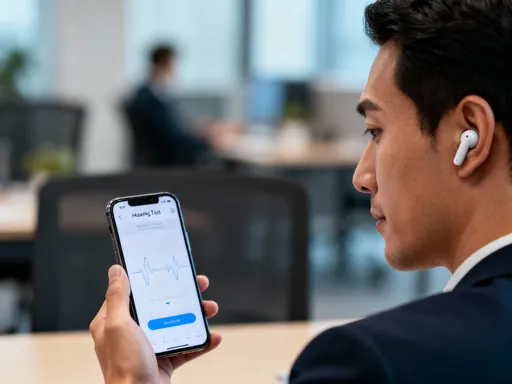
And the best part? I didn’t need any special app or gadget. Every phone has a built-in voice recorder and dictation feature. You don’t need to be tech-savvy. You just need to be willing to talk. At first, I worried about sounding silly — what if someone heard me? But noise-canceling headphones helped. And honestly, most people are too busy on their own phones to notice. I learned to speak naturally, at my own pace, and the technology kept up.
Now, I look forward to my commute. It’s my thinking time. My creative time. My secret advantage.
Meetings That Actually Get Followed Up On
How many times have you left a meeting with a notebook full of scribbles, only to realize later you can’t read half of it? Or worse — you remember a great idea, but it’s lost in the chaos of the day? I used to dread follow-ups. So much time spent trying to reconstruct what was decided, who was doing what, and by when.
Now, I use voice-to-text to capture it all — right after the meeting ends. I step into the hallway, open a note, and say, "Summary of team meeting: 1. Finalize website copy by Friday — Sarah owns this. 2. Budget approval needed by Tuesday — Mark to send revised numbers. 3. Launch date moved to the 18th — update all stakeholders." I save it, share it, and just like that, the follow-up is done.
The impact on my team has been huge. We’re faster, clearer, and more accountable. No more "I thought you were handling that" or "When was this decided?" Everyone knows where things stand because the notes are clear, immediate, and shared within minutes.
One project last quarter was a perfect example. We were launching a new community program, and timelines were tight. Instead of waiting two days for formal meeting minutes, I sent a voice-generated summary the same afternoon. People read it right away, responded quickly, and we moved forward without delay. The director even commented, "This is the fastest we’ve ever aligned after a meeting." And it wasn’t because we worked harder — it was because we worked smarter.
Using voice-to-text in this way doesn’t just save time. It builds trust. When people see that decisions are captured accurately and shared promptly, they feel heard and respected. It’s a small habit with a big emotional payoff.
When My Kids Were Home Sick — And I Still Met My Deadline
Parenting and work don’t always play nice. I’ll never forget the week my daughter had a fever and couldn’t go to school. I had a major report due, and I felt that familiar panic — the one that says, "You can’t do both." I could either be a present mom or a reliable professional. I couldn’t be both.
But that week, something was different. I didn’t have to choose. While she rested on the couch with a blanket and cartoons, I sat beside her with my laptop and phone. I couldn’t type — my hands were busy cutting up fruit, refilling water, adjusting her blanket. But I could speak.
So I dictated. I said, "Start with the executive summary: Q2 results show a 12% increase in engagement, driven by the new outreach campaign. Key challenges include staffing delays and supply chain issues. Recommendations: expand remote hiring and diversify vendors." I paused when she needed me, then picked up where I left off. No pressure. No guilt.
By bedtime, the report was finished. Not perfect, but complete — and on time. More importantly, I hadn’t missed a single moment with her. I read her stories, laughed at her jokes, held her hand when she felt shaky. I was fully there — as a mom and as a professional.
That experience changed how I see productivity. It’s not about locking yourself in a room and grinding it out. It’s about finding ways to keep moving forward, even when life gets messy. Voice-to-text didn’t just save my deadline — it saved my peace of mind.
Why It Works Better in Winter (And Other Seasons Too)
I’ve noticed something interesting: I use voice-to-text the most during winter. Maybe it’s the shorter days, the extra fatigue, or just the fact that I’m spending more time indoors. When it’s dark by 5 p.m. and I’m tired after work, the thought of sitting down to write a long email feels overwhelming. But speaking? That feels doable.
During those months, I rely on voice tools to keep my energy up. I dictate grocery lists while cooking, record reminders while folding laundry, and plan weekend activities while driving home. It’s not about doing more — it’s about preserving my mental space. When your body and mind are working harder just to get through the day, any tool that reduces effort is a gift.
But voice isn’t just for winter. In the summer, when life gets busy with travel, family visits, and outdoor activities, it adapts just as well. I’ve dictated trip itineraries while hiking, captured recipe ideas at the farmers market, and even outlined a presentation while waiting in the school pickup line. The tool stays the same — but how I use it shifts with the season.
That’s what I love most: it’s not rigid. It bends with my life. It works when I’m tired, when I’m busy, when I’m joyful, when I’m stressed. It’s always there, ready to help — not with flashy promises, but with quiet, consistent support.
Making It Stick: Simple Habits That Changed Everything
I’ll be honest — I didn’t adopt this overnight. At first, I thought, "I don’t have time to learn new tech." Or, "This feels awkward — what if I mess up?" But the truth is, you don’t need to be perfect. You just need to start small.
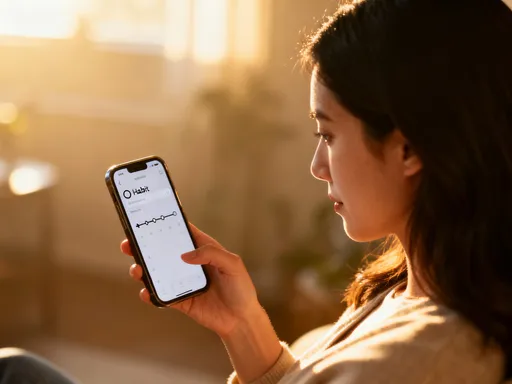
My first habit? One voice note a day. Just one. It could be a reminder, a grocery list, or a quick message. I didn’t worry about grammar or structure. I just spoke. And slowly, it became natural. Now, I don’t even think about it — it’s just how I work.
Here are a few things that helped me stick with it: First, I used the tools I already had. No downloads, no subscriptions. My phone’s built-in dictation, my laptop’s speech-to-text — they work just fine. Second, I got comfortable with imperfection. My first voice emails had pauses, repetitions, even a "um" or two. But they were clear. And they saved me time. Third, I used simple voice commands like "Send this as a message" or "Add to my to-do list" — features most voice assistants handle easily.
Privacy was a concern at first. But I learned that most devices only send audio when you activate the microphone, and you can review or delete notes anytime. I also started using headphones in public, which helped me feel more comfortable.
The biggest shift wasn’t technical — it was mental. I had to let go of the idea that working meant typing. I had to trust that speaking could be just as valid, just as professional. And once I did, everything got easier.
Not a Hack — A Happier Way to Work
Voice-to-text didn’t just save me time. It gave me back something more valuable: mental space. The space to think clearly. The space to breathe. The space to be present — whether I’m at work, at home, or somewhere in between.
This isn’t about replacing typing. There will always be times when a keyboard is better — filling out forms, editing documents, coding. But for capturing ideas, drafting messages, and organizing thoughts, speaking is faster, kinder, and more human.
When technology works with your life instead of against it, something shifts. You feel calmer. More in control. Less like you’re constantly chasing the next task. You start to believe that you *can* manage it all — not by doing more, but by working in a way that fits.
I used to say, "I’ll type it later." And then later never came. Now, I speak — and it’s done. Not because I’m tech-savvy. Not because I have more time. But because I found a way to let my life lead, and my work follow.
This small change didn’t just make me more productive. It made me feel more like myself. And isn’t that what we all want? To show up — fully, calmly, and with confidence — in every part of our lives?