Overwhelmed by a chaotic schedule? Online learning finally made growth fit my life
Remember those days of vowing to learn something new every January, only to quit by mid-February? I was stuck in that cycle too—until I stopped trying to *add* one more thing and started weaving learning into the moments I already had. No more guilt, no more all-nighters. Just small, meaningful steps that actually stuck. This isn’t about perfection; it’s about progress that fits. And honestly, it changed everything.
The Breaking Point: When "Self-Improvement" Felt Like Another Chore
For years, I treated self-improvement like a second job—one I never applied for and couldn’t afford to keep. Every January, I’d sign up for an online course with big dreams: mastering a language, learning to cook healthy meals, or finally understanding how to manage my family’s budget. I’d start strong, full of motivation, only to let it fade by the third week. The course would sit there, quietly judging me from my phone screen, another reminder of a promise I couldn’t keep. And the guilt? It was worse than the undone dishes piling up in the sink.
But here’s what I realized: it wasn’t that I lacked discipline. I was already managing a full-time job, school pickups, meal planning, and the never-ending laundry cycle. I wasn’t failing at learning—I was failing at fitting it into a life that had no room left. The real problem wasn’t me; it was the outdated idea that personal growth had to happen in big, dramatic chunks of time. Like I needed to block off entire evenings or sacrifice sleep to prove I was serious. That model worked for students or people with flexible schedules, but not for someone like me, juggling a hundred invisible tasks every day.
I began to question why learning had to feel like another burden. Why did it have to be something I had to find time for, instead of something that could live alongside the life I already had? I didn’t need another to-do list item. I needed a shift—something that didn’t ask me to do more, but to do differently. And that’s when I started to look at online learning not as a task, but as a tool. A quiet, flexible companion that could move with me, not against me.
The Shift: From Adding to Integrating
The turning point came on a Tuesday morning, of all days. I was standing in the kitchen, waiting for my coffee to brew, scrolling through social media like I always did. Mindlessly swiping, seeing other people’s highlight reels—travel, achievements, perfect meals. And then, almost by accident, I opened a short video lesson from a course I’d forgotten I’d enrolled in. It was only four minutes long. Just enough time to learn one simple idea about mindful communication. I watched it while stirring my oatmeal. And something clicked.
That tiny moment didn’t feel like learning. It felt like upgrading my routine. No extra time. No pressure. Just a small, useful idea tucked into a space I already had. And for the first time, I didn’t feel guilty for not finishing a full module. I felt proud for using five minutes well. That’s when it hit me: maybe growth didn’t have to be something I added to my life. Maybe it could be something I wove into it.
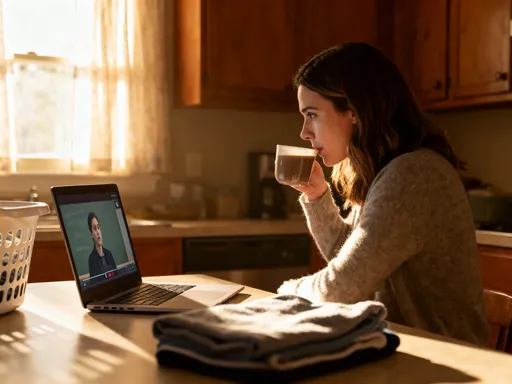
So I started small. Instead of aiming for one-hour study sessions, I looked for micro-moments. The five minutes while the kids finished breakfast. The ten minutes waiting in the carpool line. The quiet stretch after everyone went to bed. I swapped mindless scrolling for audio lessons during my evening walk. I played short video clips while folding laundry. These weren’t grand gestures—they were quiet, consistent choices. And over time, they added up in ways I never expected.
Online learning, when used this way, stopped feeling like a chore. It became a kind of self-care. Not the kind with face masks and candles—though I love those too—but the kind that made me feel capable, curious, and more like myself. The flexibility of digital platforms meant I could learn at my pace, in my space, without asking anyone else to change. And that made all the difference.
Designing a Learning Routine That Actually Works
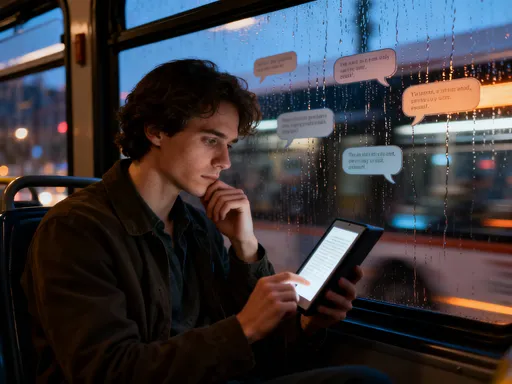
Once I let go of the idea that learning had to look a certain way, I got creative. I started matching the format of the content to my daily rhythm. For example, I realized I absorbed information better in the morning, so I reserved video lessons for that time. I’d play them on my tablet while sipping coffee, no multitasking, just focused attention. Those 10-minute lessons became something I looked forward to—a little mental warm-up before the day began.
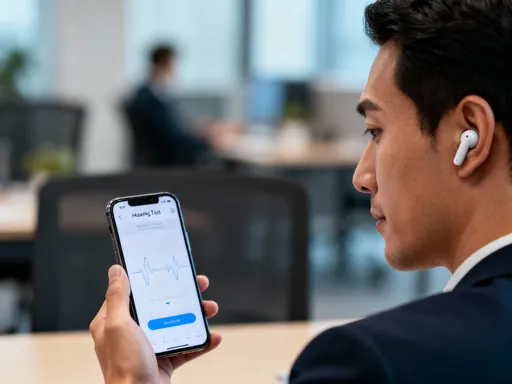
In the afternoons, when energy dipped, I switched to audio. Many platforms offer downloadable summaries or podcast-style lessons, which were perfect for walks around the neighborhood or while running errands. I’d pop in my earbuds and listen to a short lesson on time management or emotional intelligence. It felt like having a wise friend whispering helpful ideas in my ear. And the best part? I wasn’t stealing time from anyone. I was using time I already had.
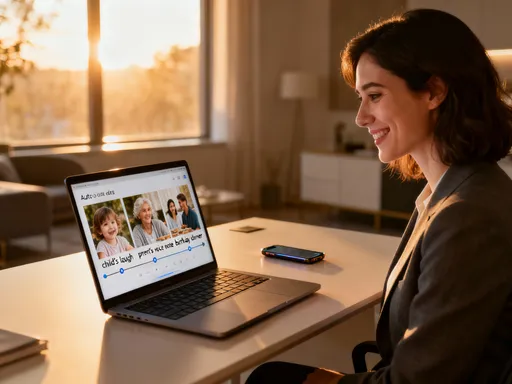
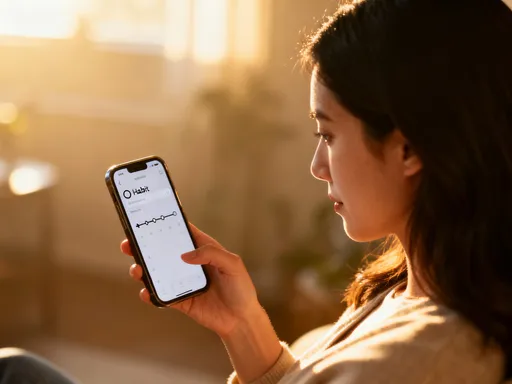
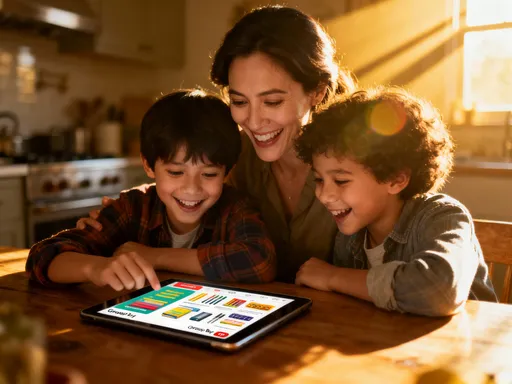
Weekends became my reflection time. I’d pick one concept from the week and spend 20 minutes journaling about how it applied to my life. Sometimes I’d involve my kids, asking them simple questions like, “How do you think we can communicate better when we’re all tired?” It turned learning into a family conversation, not a solo mission. And the platform’s progress tracker? It quietly celebrated my streaks—three days in a row, then five, then ten. No fanfare, just a gentle nudge that said, “You’re still here. That matters.”
I stopped caring about finishing courses quickly. Instead, I focused on consistency. Showing up, even if it was just for five minutes. And slowly, something shifted. I began to notice changes in how I handled stress, how I listened during conversations, how I made decisions. It wasn’t about becoming an expert. It was about becoming more aware, more intentional, more present.
The Ripple Effect: How Small Learning Moments Transformed Bigger Life Areas
What surprised me most wasn’t the knowledge I gained—but how it started to show up in unexpected places. Take work, for example. I took a short course on clear communication, and within weeks, I found myself speaking up more in meetings. Not louder, but clearer. I started framing my ideas with more confidence, using simple structures I’d learned online. My boss noticed. My team responded better. And I felt more valued—because I was finally expressing my value.
At home, the changes were quieter but deeper. I began applying what I learned about emotional regulation during tense moments. Instead of reacting when the kids were arguing or dinner was burning, I’d pause. Take a breath. Remember a technique from a lesson: “Respond, don’t react.” It didn’t fix everything, but it created space—space for calm, for connection, for better choices. My kids started saying things like, “Mom, you’re not yelling as much.” High praise, coming from a seven-year-old.
Even our family trips changed. Instead of just planning destinations, I started researching with curiosity. I’d listen to a short history lesson before visiting a new city. I’d involve the kids in learning about the culture, turning travel into a shared adventure in discovery. One evening, my daughter said, “I like that we learn things when we go places.” That moment stayed with me. I wasn’t just learning for myself—I was modeling a mindset. A quiet, steady belief that growth doesn’t have to be loud or dramatic. It can be gentle, joyful, and shared.
Choosing the Right Tools Without the Overwhelm
Not all online learning platforms are created equal—especially when you’re not a student or a tech enthusiast. I learned this the hard way after signing up for a course that looked impressive but was built for engineers, not parents. The interface was cluttered, the lessons were hours long, and there was no way to download content for offline use. I lasted two days.
So I got picky. I started looking for platforms that respected real life. Simple navigation. Mobile-friendly design. Short lessons—under 10 minutes. Features like progress tracking, reminders, and the ability to pause and pick up later without losing momentum. Most importantly, I looked for courses taught by people who sounded like they understood life outside a classroom. Not just experts, but empathetic guides who acknowledged that life gets busy, and that’s okay.
I also prioritized offline access. There were days when my internet was spotty, or I was on a road trip with the family. Being able to download a lesson and listen on my phone made a huge difference. And I appreciated platforms that offered multiple formats—video, audio, text—so I could choose what worked best for my energy level that day.
The goal wasn’t to find the fanciest app or the most comprehensive course. It was to find a tool that fit seamlessly into my world. One that didn’t demand perfection, but welcomed presence. And when I found that, the resistance faded. Learning stopped feeling like a battle and started feeling like a companion.
Staying Motivated When Life Gets Loud
Of course, there were weeks when even five minutes felt impossible. The kids got sick. Work deadlines piled up. The car broke down. Life, as it does, got loud. And in those moments, I used to think I had failed. But online learning, when done right, doesn’t punish you for pausing. It allows it.
Instead of quitting, I learned to adapt. If I couldn’t watch a video, I’d switch to audio and listen while driving or cooking. If I was too tired to focus, I’d revisit an older lesson—one I already knew—just to keep the habit alive. Sometimes, I’d just open the app, look at my progress bar, and close it again. And that was enough. Because showing up, in whatever form, kept the connection alive.
I also gave myself permission to slow down. I stopped setting completion dates. No more “I’ll finish this course by June” pressure. Instead, I focused on rhythm. Could I touch this learning every few days? Could I absorb one idea a week? That was success. And the platform’s flexibility made that possible. No penalties. No guilt. Just a quiet space waiting for me, whenever I was ready.
What I learned during those tough weeks was more valuable than any lesson: resilience isn’t about never stopping. It’s about knowing how to start again. And online learning, with its low-pressure design, taught me that gently.
The Real Reward: Growth That Feels Light, Not Heavy
Looking back, the biggest change wasn’t a new skill or a certificate on my wall. It was a shift in how I saw myself. I no longer saw personal growth as something that required sacrifice, perfection, or big blocks of time. I saw it as something I could carry with me, moment by moment, like a quiet conversation with my future self.
Learning became part of my identity, not a project. I didn’t have to “find time” anymore—because I had learned to use the time I already had. And that changed everything. I felt more confident. More capable. More at peace with the messy, beautiful reality of my life.
My kids see me learning, and they’re learning too—not just from school, but from watching me choose curiosity over comfort. That’s the legacy I want to leave. Not a list of accomplishments, but a way of being. A woman who kept growing, not because she had to, but because she wanted to. And who showed her family that it’s never too late to learn, to change, to become a little more yourself.
So if you’ve ever felt too busy to grow, too tired to try, too far behind to start—let this be your permission slip. You don’t need more time. You don’t need perfection. You just need one small moment, one tiny step, one quiet choice to begin. Because growth isn’t about how much you do. It’s about how consistently you show up. And with the right tools, that kind of growth isn’t just possible—it’s already within your reach.