From Chaos to Calm: How Smart Homes Quiet Family Storms
Imagine this: your teenager cranks the thermostat while your mom insists it’s freezing, the baby wakes up crying because the room got too bright, and someone left a window open while the AC runs full blast. Sound familiar? These daily battles over temperature, light, and comfort don’t just waste energy—they strain relationships. But what if your home could listen, adapt, and help everyone feel seen? I’ve lived that chaos, and smart environment tech quietly transformed our family’s rhythm. It didn’t make us perfect. But it gave us something better: peace.
The Noise Before the Peace: Living in a Home That Doesn’t Understand
Let’s be honest—our homes should feel like sanctuaries, not battlegrounds. Yet so many of us are stuck in a daily tug-of-war over the little things that add up. I remember one winter evening when my sister turned the heat down because she was warm from cooking, and within minutes, my dad was wrapping himself in a blanket, muttering about how no one thought about the elderly. It wasn’t about the temperature. It was about feeling ignored. That moment wasn’t isolated. We were all trying to be comfortable in the same space, but the house wasn’t helping. It was just a collection of switches and dials that demanded attention but offered no understanding.
Think about how often this happens in your own home. The lights are either too dim to read by or so bright they hurt your eyes. The bedroom is icy when you crawl into bed, or stuffy by morning. The kids come home from school, slam the door, and immediately wrestle with the thermostat. These aren’t small things—they’re daily stressors that wear down patience and amplify tension. We expect so much from our families, yet we don’t give our homes the ability to support us emotionally. We treat the house like a machine, but we live in it like a family. That mismatch is where the friction begins.
What I’ve come to realize is that the problem isn’t with us. It’s with the environment. For decades, homes have been designed to be controlled, not to respond. You have to remember to turn things on, adjust them, turn them off. But life doesn’t run on perfect schedules. Kids get sick. Work runs late. Moods shift. A home that requires constant manual input can’t keep up. And when it doesn’t, we blame each other. But what if the house could do more? What if it could notice when someone’s cold, or when the baby’s room is getting too sunny, and just… adjust? That’s not science fiction. That’s smart environment technology—and it’s already changing how families live.
A House That Learns You: The Quiet Magic of Adaptive Technology
When I first heard about smart homes, I pictured complicated apps, blinking lights, and a house that felt more like a lab than a living space. I wasn’t interested in gadgets for the sake of gadgets. But then I learned that the real power of smart technology isn’t in flashy features—it’s in quiet adaptation. The best systems don’t shout for attention. They work in the background, like a thoughtful friend who knows your habits and quietly makes things easier.
At the heart of this is a simple idea: your home can learn from you. Using sensors placed around the house, it can detect motion, temperature changes, light levels, and even sound patterns. Over time, it begins to recognize routines. It notices that you like the living room warmer during dinner, or that your teenager prefers softer lighting when doing homework. It doesn’t just react—it anticipates. And that’s where the magic happens. Imagine walking into a room and it already feels right. No grabbing a blanket, no squinting at the light, no reaching for the remote. Just comfort, waiting for you.
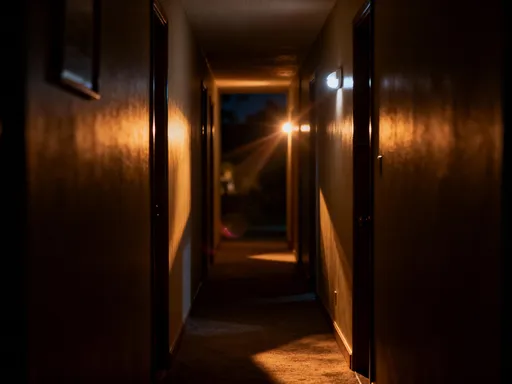
I remember the first time this happened in my house. It was late evening, and I was carrying the baby upstairs after a long day. As I reached the top of the stairs, the hallway light brightened just enough to see, then dimmed as I passed. I stopped and looked around. No one had turned it on. No app had been opened. It just… knew. That moment gave me chills—not because it was high-tech, but because it felt *caring*. It was as if the house was saying, “I’ve got you.” That’s the shift: from a space that demands effort to one that offers support. And the beauty is, you don’t need to be a tech expert to experience it. Most systems today are designed for real life, with simple setup and intuitive controls. You don’t have to understand the code behind it—just the comfort it brings.
Making Peace with Temperature: When the Thermostat Stops Being a Battlefield
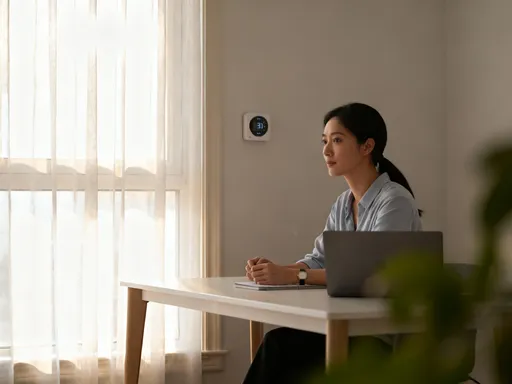
If there’s one thing that sparks more arguments in my house than politics or chores, it’s the thermostat. Seriously. I’ve seen grown adults give each other the side-eye over a two-degree difference. The truth is, we all have different comfort zones. My daughter runs hot; my husband feels the cold deep in his bones. Before we got a smart thermostat, someone was always adjusting it—sometimes multiple times an hour. It became a passive-aggressive game: “Oh, it’s 74 again? How… interesting.”
Then we installed a learning thermostat, and everything changed. At first, I didn’t expect much. I figured it would just let me control the temperature from my phone. But this device did something deeper—it started learning. It paid attention to when we turned the heat up or down, and over a week or two, it began to predict what we’d want. It learned that my mom likes the bathroom warm by 7 a.m. for her shower. It knows that the living room heats up fast when the afternoon sun hits the windows, so it starts cooling early. And it adjusts automatically when the kids come home from school, so the house is comfortable the moment they walk in.
The real turning point was when my husband looked at me and said, “Did you change the temperature?” I said no. He paused and smiled. “Huh. It just… felt right.” That was the moment I realized this wasn’t just about efficiency—it was about harmony. The thermostat wasn’t taking sides. It was honoring everyone’s needs without making anyone ask. No more arguments. No more silent adjustments meant to make a point. Just a home that adapts, quietly and fairly. And that small shift freed up so much emotional space. We stopped policing the temperature and started enjoying our time together.
Light That Respects Moods and Rhythms
Lighting is one of those things we don’t think about—until it’s wrong. Too bright, and it feels harsh. Too dim, and you’re straining to see. But light does more than help us see; it shapes how we feel. I noticed this most with my son, who used to have a hard time winding down at night. He’d lie in bed, restless, saying the room felt “too awake.” I tried reading to him, playing soft music, even dimming the lights manually. But consistency was hard. Some nights I forgot. Others, the overhead light was still too strong.
Then we switched to smart lighting. We started with his bedroom—simple color-tunable bulbs that could shift from bright white in the morning to soft amber in the evening. We set a schedule so the lights automatically began to dim at 7 p.m., mimicking the natural sunset. The change was almost immediate. He started relaxing earlier. He stopped resisting bedtime. And I stopped nagging. One night, he looked up and said, “The room feels like a campfire now.” That image stayed with me. It wasn’t just about light levels—it was about creating a mood, a feeling of safety and calm.
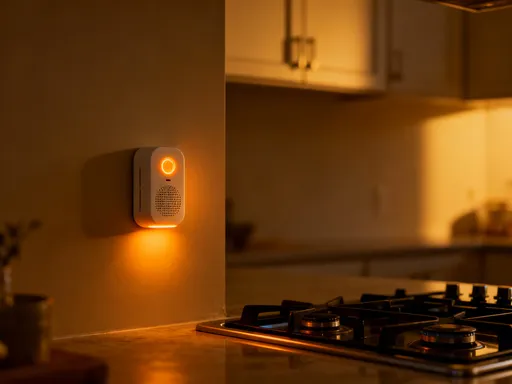
But it’s not just for kids. In the kitchen, we use motion-activated lighting under the cabinets. When I walk in late at night for a glass of water, the counters light up gently—no blinding overhead flood. During homework time, the dining room brightens automatically, helping everyone focus. And in the living room, we’ve programmed scenes: “Movie Night” dims the lights and warms the tone, while “Morning Coffee” keeps it bright and energizing. The best part? None of this requires constant input. It just happens, in rhythm with our lives. And that consistency brings a kind of peace you don’t expect. You’re not fighting the environment—you’re moving with it.
Harmony Through Shared Control (Without the Power Struggles)
One of my biggest worries when starting was this: would one person end up in charge? Would I become the “light police” or the “thermostat dictator”? That’s a real concern in family life—especially when tech can feel exclusive or complicated. But what surprised me most was how smart home systems actually promote fairness and shared responsibility. Most platforms allow personalized profiles, so each family member can have their own settings for certain rooms or times. My niece, who stays with us on weekends, can adjust the guest room temperature and lighting through a simple app—but only for that room. The rest of the house stays unaffected.
We also set up gentle override rules. If someone manually adjusts the temperature, the system respects that for a few hours before returning to its learned schedule. This means no one feels trapped by automation. You still have control—but it’s thoughtful control, not constant correction. And because changes are logged (in a non-judgmental way), we can talk about preferences without blame. Instead of “Who keeps changing the thermostat?!” we now say, “Hey, I noticed the bedroom was cooler last night—were you cold?” It’s a small shift in language, but it changes the tone of the whole house.
What’s really sweet is how the kids have started taking pride in the system. My daughter loves setting the “Good Morning” scene, which slowly brightens her room and plays soft music. My son calls the hallway lights “the path to bedtime.” They don’t see it as tech—they see it as part of the home’s personality. And that’s when I knew we’d succeeded: when the system stopped being a gadget and started feeling like a quiet, helpful member of the family. It didn’t create hierarchy. It created harmony.
Real Setup, Real Life: Getting Started Without Stress
If you’re thinking, “This all sounds great, but I’m not a tech person,” I get it. I wasn’t either. I didn’t want to spend weekends reading manuals or troubleshooting Wi-Fi issues. So I started small. I picked one room—the living room—and one goal: make it easier to set the right mood for evenings. I bought a smart plug and two smart bulbs. That’s it. The setup took less than an hour. I used the app on my phone, followed the prompts, and within minutes, I could turn the lights on with my voice or a tap on the screen.
The key was involving the family from the start. I asked everyone what they’d like to see change. My husband wanted the porch light on automatically at dusk. My daughter wanted her reading lamp to turn off at bedtime. We added those one at a time. There were hiccups—like the motion sensor that thought the cat was a person and turned the bathroom light on at 3 a.m.—but we laughed, adjusted the sensitivity, and moved on. The point isn’t perfection. It’s progress.
My advice? Start with a pain point. Is someone always cold in the morning? Try a smart thermostat. Does bedtime feel chaotic? Look into automated lighting. Most devices today are designed for plug-and-play use. You don’t need a degree in engineering. You just need a desire for a little more ease. And don’t feel like you have to do it all at once. I’ve been adding pieces over two years, and our home still isn’t “fully smart.” But it’s smarter—and that’s made all the difference. The goal isn’t a futuristic showcase. It’s a home that works better for the people in it.
More Than Comfort: How a Smarter Home Strengthens Family Bonds
Let’s be clear: smart home technology didn’t fix our relationships. It didn’t teach us to communicate better or resolve deep conflicts. But what it did was remove the noise—the constant, low-level frustrations that drain energy and patience. When you’re not fighting over the thermostat or reminding someone to turn off the lights, you have more room for what matters. You have space to listen. To laugh. To just *be* together.
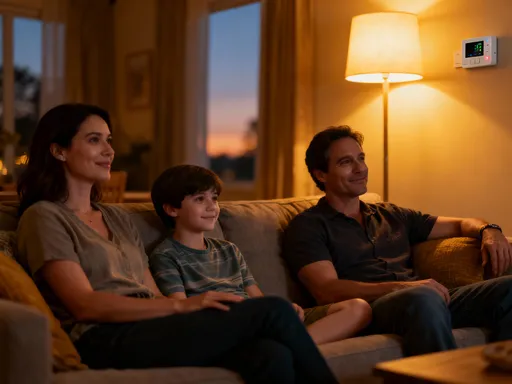
I’ll never forget one recent evening. It was raining outside, the kind of steady, soothing rain that makes you want to stay in. The kids had finished homework, the dog was curled up by the fireplace, and the living room was warm and softly lit. No one had said a word about the temperature. No one had fumbled for a switch. We were just… there. And in that quiet moment, we started talking—really talking. About school, about dreams, about nothing important and everything important. It wasn’t the tech that made that happen. But it created the conditions for it.
That’s the real gift of a smarter home. It’s not about control. It’s about calm. Not about convenience. It’s about closeness. It’s about building a space where everyone feels seen, where small comforts are handled quietly, and where the home itself becomes a partner in peace. We don’t need perfect conditions to love each other. But when the environment supports us instead of fighting us, love has room to grow. And isn’t that what we all want? A home that doesn’t just shelter us—but understands us, too.